Source Plastic Graffiti Paint Coloring Toys for kids art
Compare 30 listings of Plastic Graffiti Paint Coloring Toys suitable for children aged 2 to 13 years. Buyers can evaluate options including DIY 3D painting sticker kits, art paints, and educational drawing tools with varying MOQs and certifications.
Key considerations
Products List
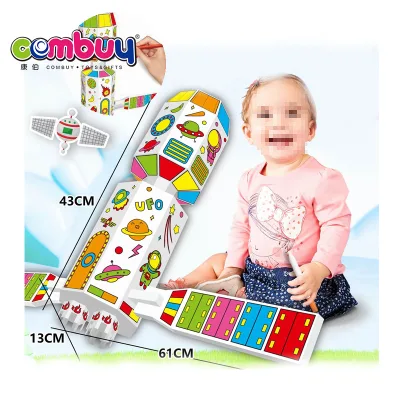

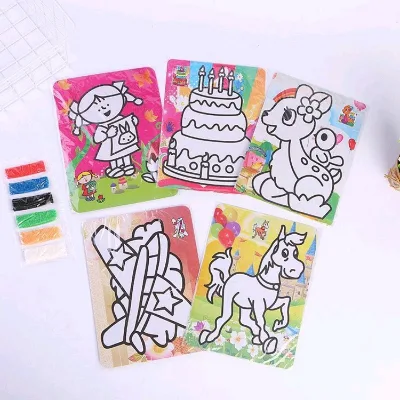
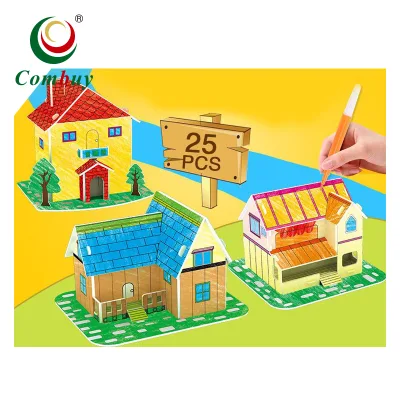


Wholesale Box Painting Packing Cut off Child Plastic Watercolor Paints Toys
$1.98 - $2.00
MOQ: 500 Pieces

Wholesale Pen Paints Brush Washable Child Student Child Watercolor Paints Toys
$1.98 - $2.00
MOQ: 500 Pieces
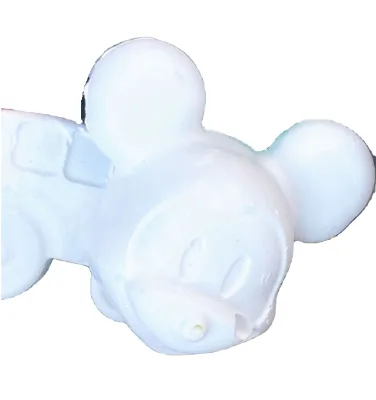
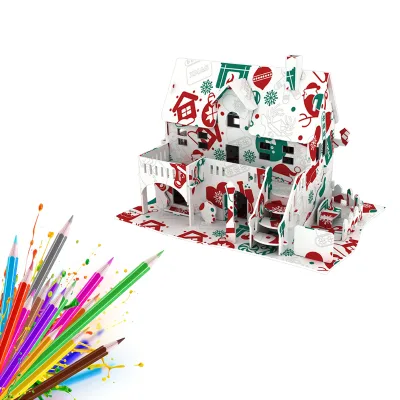
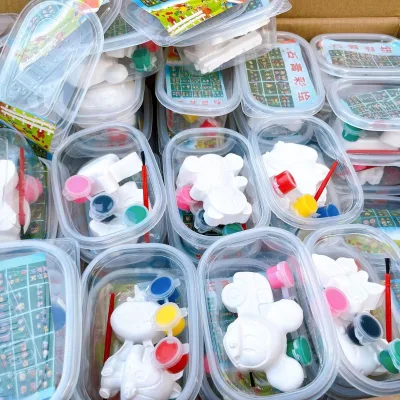
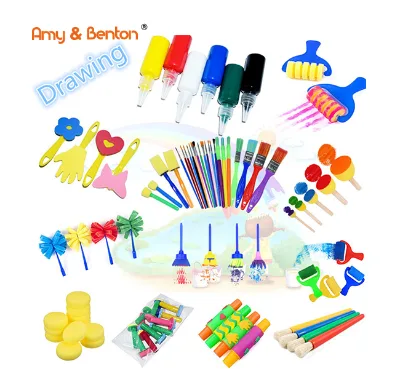
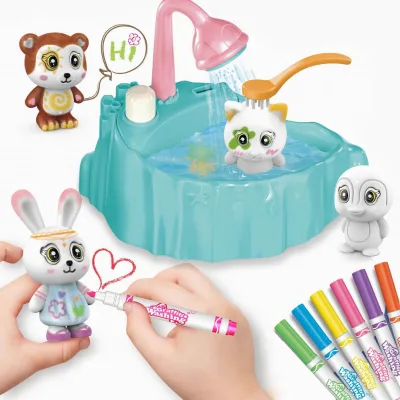
Diy Painted Kids Educational Toys Diy Coloring Plaster Dolls Graffiti Toys
$0.17 - $0.25
MOQ: 10 pieces


Comprehensive Sourcing Guide
Strategic Sourcing Guide for Plastic Graffiti Paint Coloring Toys
The global market for children's creative play equipment continues to expand, with Plastic Graffiti Paint Coloring Toys representing a significant segment driven by demand for educational and artistic development tools. For B2B procurement professionals, navigating this category requires a disciplined approach that balances creative appeal with rigorous supply chain verification. This guide synthesizes available product data and industry standards to provide a framework for sourcing high-quality, compliant, and cost-effective inventory. Buyers must distinguish between observed product attributes and generalized market claims, ensuring that every procurement decision is grounded in verified specifications rather than marketing assertions.
Technical Specifications and Product Configuration
Understanding the physical and functional specifications of plastic graffiti toys is the first step in defining a successful procurement strategy. The core product category encompasses a variety of configurations, ranging from simple DIY painting kits to complex 3D puzzle systems. Observed data indicates that these products are primarily constructed from plastic, a material choice that offers durability and safety for the target demographic. The functional scope is broad, covering activities such as painting doodles, creating graffiti art, and assembling 3D painting puzzles.
Packaging dimensions and weight are critical variables for logistics planning. Specific product batches have been observed with a package size of 79.5 x 38.5 x 67 cm and a gross weight of 29.000 kg per batch. In contrast, other configurations, such as single-item kits, may have a single package size of 36 x 23 x 5 cm with a gross weight of only 0.500 kg. These variations significantly impact shipping costs and warehouse storage requirements. Buyers must verify the specific carton size for each order, as data shows ranges from 77 x 4.3 x 64 cm to 78.5 x 37.5 x 66 cm. The volume per batch, measured in CBM, is another essential metric; for instance, one observed configuration lists a CBM of 0.194, while another batch occupies a larger footprint with dimensions of 66 x 47 x 73 cm.
The target age range for these products is diverse, spanning from toddlers to pre-teens. Verified attributes indicate suitability for children aged 2 to 4 years, 3 to 6 years, 5 to 7 years, and 8 to 13 years. This wide demographic spread suggests that product design must account for varying motor skill levels and safety requirements. The gender classification is typically unisex, allowing for broad market appeal. Color options are often extensive, with specific model numbers corresponding to distinct color palettes, such as mixed sets of six pens or specific color codes like CB861987 through CB861999.
Compliance and Certification Verification
Safety compliance is non-negotiable in the children's toy industry. Procurement teams must prioritize suppliers who can provide verifiable documentation for international safety standards. The supplied product data explicitly lists EN71 and CE certifications, which are critical for market access in Europe and other regions adhering to similar safety frameworks. EN71 is a European standard for toy safety, covering mechanical, physical, chemical, and flammability properties. The presence of CE marking indicates conformity with health, safety, and environmental protection standards for products sold within the European Economic Area.
However, buyers must exercise caution regarding the interpretation of these certifications. While the data confirms the presence of EN71 and CE on specific listings, it does not guarantee that every product in the category automatically satisfies these standards without independent testing. The presence of ISO 9001 and ISO 14001 in background knowledge suggests that some manufacturers may operate under quality and environmental management systems, but these should be treated as potential attributes rather than guaranteed facts for every supplier.
When evaluating a supplier, buyers should request current test reports from accredited laboratories. The verification process should include checking the scope of the certification to ensure it covers the specific product model and material composition. For plastic-based toys, chemical safety is paramount; the material must be free from harmful substances such as lead, phthalates, and heavy metals. Buyers should verify that the plastic material used meets the specific regulatory requirements of their target export markets. Additionally, while some background data mentions ASTM F963, this is a US standard, and its applicability depends on the destination market. Procurement teams must confirm which specific standards apply to their intended sales channels rather than assuming universal compliance.
Cost Drivers and Pricing Dynamics
The pricing structure for Plastic Graffiti Paint Coloring Toys is influenced by several key factors, including material costs, packaging complexity, and order volume. The observed price range in the market spans from $0.08 to $9.09 USD. This wide disparity reflects the difference between simple, single-item kits and more complex, multi-component sets. The lower end of the spectrum typically corresponds to basic coloring tools or small sticker kits, while the higher end includes comprehensive DIY 3D painting puzzle kits with multiple components.
Minimum Order Quantity (MOQ) is a significant driver of unit cost. Data indicates an MOQ range from 1 carton to 5,000 units, with specific listings showing an MOQ of 5 cartons or even 1 CTN. Suppliers often offer tiered pricing structures where the unit cost decreases as the order volume increases. For instance, one listing notes that the selling unit is a multiple of 96, suggesting that bulk orders are structured around specific carton counts. Buyers should calculate the total landed cost, including shipping, duties, and handling fees, rather than focusing solely on the unit price.
Customization is another factor that can impact cost. The product data confirms that customization is available, with options for logo acceptance and customized packaging. However, custom orders typically incur higher setup costs and may require a higher MOQ to be economically viable. Lead times also play a role in cost management; a standard lead time of 35 days after sample approval is observed, with a sample time of 7 days or within 3 days. Rush orders or expedited production may carry a premium. Buyers must balance the desire for customization and speed against the budget constraints and the need for consistent supply.
Typical Applications and Market Segmentation
Plastic Graffiti Paint Coloring Toys serve multiple applications, primarily focused on educational and recreational activities. The core function is to facilitate drawing, painting, and creative expression. These products are designed for use in various settings, including homes, schools, and daycare centers. The "anywhere" usage attribute suggests portability, making these toys suitable for travel or outdoor activities.
The market segmentation is driven by age and developmental stage. For younger children (2-4 years), the focus is on sensory exploration and basic motor skill development. Products in this segment often feature larger, easier-to-handle components and non-toxic, washable materials. For the 5-7 and 8-13 age groups, the applications shift toward more complex artistic projects, such as 3D painting puzzles and detailed graffiti art. These older children benefit from products that challenge their spatial reasoning and fine motor skills.
The "educational" type classification highlights the growing trend of integrating learning into play. These toys are often used in STEM (Science, Technology, Engineering, and Mathematics) or STEAM (adding Arts) curricula to foster creativity alongside technical skills. The DIY aspect of the products encourages independent problem-solving and artistic confidence. Buyers targeting the educational sector should prioritize products that align with specific learning objectives, such as color recognition, pattern creation, and spatial awareness.
Supplier Evaluation and Selection Criteria
Selecting the right supplier requires a comprehensive evaluation of their capabilities, reliability, and compliance record. The origin of these products is predominantly Guangdong, China, a major manufacturing hub known for its plastic toy industry. Buyers should verify the supplier's location and production capacity to ensure they can meet demand fluctuations.
Key evaluation criteria include:
- Certification Validity: Confirm that EN71, CE, and any other claimed certifications are current and cover the specific product models.
- Production Capacity: Assess whether the supplier can handle the required order volume, especially given the wide MOQ range from 1 to 5,000 units.
- Quality Control Processes: Inquire about the supplier's internal QC measures, including material testing and final product inspection.
- Customization Capabilities: Evaluate the supplier's ability to handle logo customization and packaging changes, as indicated by the "Customized" attribute.
- Lead Time Reliability: Verify the supplier's ability to meet the standard 35-day lead time after sample approval, or negotiate realistic timelines for custom orders.
Buyers should request samples before placing bulk orders to verify product quality, safety, and functionality. The sample time is typically short, ranging from 3 to 7 days, allowing for quick evaluation. It is essential to test the samples for durability, color fastness, and safety compliance before committing to a large purchase.
Quality Control and Long-Term Procurement Considerations
Maintaining consistent quality is essential for long-term procurement success. Buyers should implement a robust quality control plan that includes pre-production, in-production, and pre-shipment inspections. Given the plastic material and paint components, specific attention should be paid to the integrity of the plastic molding and the safety of the paints.
Long-term considerations involve building a strategic relationship with suppliers who can offer consistent quality and competitive pricing. Buyers should monitor market trends and adjust their product mix accordingly. For example, if there is a growing demand for eco-friendly materials, buyers should explore suppliers who can transition to sustainable plastics or water-based paints.
Inventory management is another critical aspect. With varying package sizes and weights, buyers must optimize their storage and shipping strategies to minimize costs. The observed CBM and weight data should be used to calculate optimal container loads and shipping routes. Additionally, buyers should plan for potential supply chain disruptions by maintaining a buffer stock or diversifying their supplier base.
Comparative Analysis of Product Attributes
To facilitate decision-making, the following table summarizes key product attributes observed in the market, highlighting the variations buyers may encounter.
| Attribute | Observation A (Bulk Batch) | Observation B (Single Item Kit) | Observation C (3D Puzzle) |
|---|---|---|---|
| Material | Plastic | Plastic | Plastic |
| Package Size | 79.5 x 38.5 x 67 cm | 36 x 23 x 5 cm | 77 x 4.3 x 64 cm |
| Gross Weight | 29.000 kg | 0.500 kg | 29.00/28.00 kg (G/N) |
| MOQ | 5 Cartons | 1 CTN | 1 CTN |
| Age Range | 3+ to 13 Years | 3+ | 3+ to 13 Years |
| Certification | EN71, CE | EN71, CE | EN71, CE |
| Function | Painting Doodle, Graffiti | DIY Sticker Kit | 3D Painting Puzzle |
| Lead Time | 35 Days | 35 Days | 35 Days |
This comparison illustrates the diversity within the category. Buyers must carefully match product specifications to their specific market needs, ensuring that the chosen items align with their target demographic, budget, and logistical capabilities. By adhering to these evidence-based guidelines, procurement professionals can navigate the complexities of sourcing Plastic Graffiti Paint Coloring Toys with confidence and precision.
FAQs
What certifications do Plastic Graffiti Paint Coloring Toys have?
Verified listings show EN71 and CE certifications for these toys. Buyers must request current test reports to confirm compliance covers specific models and materials before purchase.
Which age groups are suitable for these plastic painting toys?
Products are designed for children aged 2 to 4, 3 to 6, 5 to 7, and 8 to 13 years. The unisex design ensures broad appeal across these developmental stages.
Can buyers customize logos on these plastic graffiti toys?
Customization is available for logos and packaging on these items. Custom orders typically require higher minimum order quantities and may extend the standard lead time after sample approval.
What is the typical lead time for bulk orders of these toys?
The standard lead time is 35 days after samples are approved. Sample preparation usually takes between 3 to 7 days depending on the specific product configuration requested.
How does the MOQ vary for plastic graffiti paint coloring kits?
Minimum order quantities range from 1 carton to 5,000 units depending on the supplier. Some listings specify an MOQ of 5 cartons while others allow single carton orders.
What materials are used to make these DIY painting toys?
The primary material used for these toys is plastic. This choice offers durability and safety for children engaging in drawing, painting, and 3D puzzle assembly activities.